
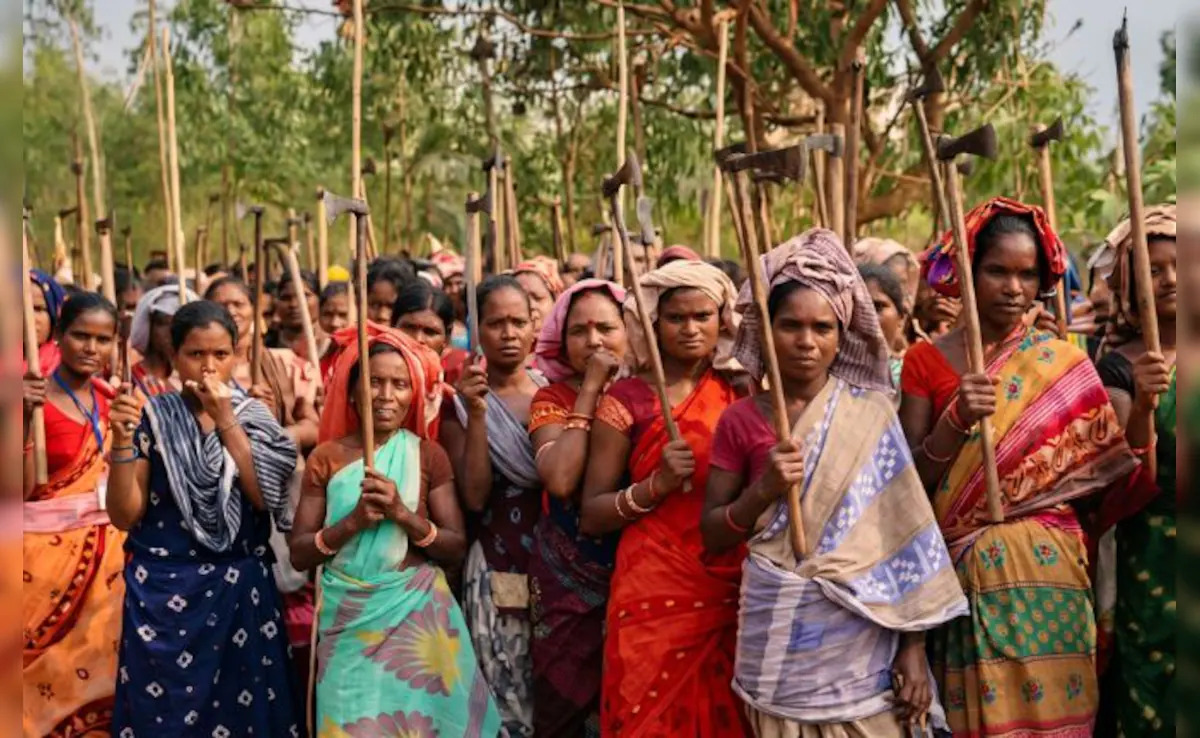
For over three years now, thousands of adivasi and dalit villagers in Rayagada and Kalahandi districts in Odisha have been protesting the proposed bauxite mining project contract granted to Vedanta Limited by the Government of Odisha. This mining project is spread over 1,549 hectares of land comparable to airport complexes like the NOIDA or Navi Mumbai International Airport development projects. Bauxite mining is open cast involving drilling and blasting the top surface to expose the ore, which is then crushed, washed, processed and loaded to be transported out. This means the landscape is irreversibly altered, with complete deforestation and soil erosion. The environmental damage is incalculable. The mines have an estimated reserve of 311 million tonnes, proposed to be mined over the next 50 years. Bauxite is used in transportation, construction, chemical, packaging and petrol industries. The ore here is to be sent to Vedanta’s Lanjigarh alumina refinery, which feeds the company’s Jharseguda smelter. And the company CEO of Jharseguda says, “With customers in more than 60 countries, the company offers more than 25 high-quality variants of billets and plans to further expand capacity across its operations in Odisha and Chhattisgarh to 1.25 MTPA.” What will the people get in return? Worse than nothing. Displaced, shunted to the fringes, passed over and then criminalised.
The people of Rayagada and Kalahandi oppose this loot. For the people who are primarily Kondh adivasi, the Sijimali Hills is a sacred site of the Tiji Raja, a local deity. It is their ancestral land and forest. The promises of compensation and rehabilitation ring hollow among those who have seen the conditions of those displaced. The Government of Odisha and India knew the people of the land would oppose the mining contract and so, instead of hearing them, consulting with them, or even attempting dialogue, they fast-tracked environmental clearances, forged gram sabha consents and granted permissions for both road and rail access to the mine besides granting a 50-year lease to Vedanta. It also criminalised the protests by the people by filing case after case and arresting protestors in waves. This entire ‘development’ model of mining handed over to private corporations is finally intended for the egregious export of high quality alumina to the international market. The rush to push through mining permissions also includes steamrolling prevailing legal rights of the people of Sijimali including violations of the Fifth Schedule of the Indian Constitution, PESA, Forest Rights Act, LARR besides international conventions on indigenous rights. Some laws are bent, some are disobeyed, many are broken.
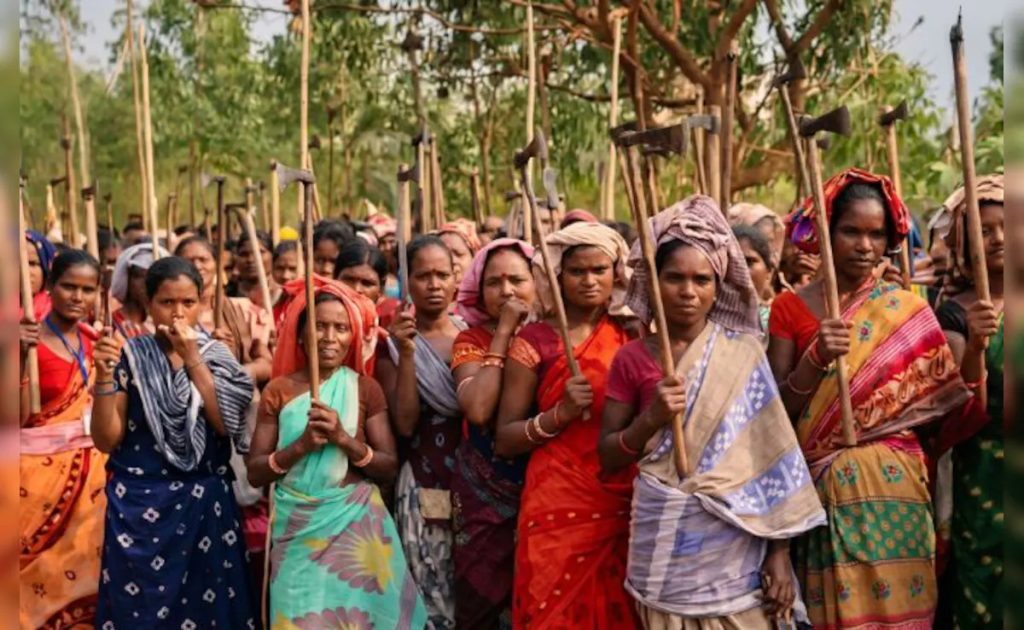
Exposing the futility of legal safeguards and the history of state response to people’s appeals as in the case of Niyamgiri, the people have taken to sustained, organised mass protests. This has happened despite the repeated filing of criminal cases, incarceration, illegal searches and violent assaults by the police. Meanwhile, the Brahmanical High court has imposed casteist bail conditions for the protestors – dalit and adivasis are to clean the Kashipur Police Station.
With a history of strong, organised, prolonged struggle set by the people of Niyamgiri, the Ma Mati Mali Surakhya Samiti is determined to oust the company as well as the police. On the intervening night of April 6th and 7th, the state police entered the villages in the dead of the night, cut off electricity supply, broke open doors and lathi charged people. This midnight assault by the police was covered by the mainstream media the next day with claims that over 58 police personnel were injured. There was scarce mention of the injured adivasis, those arrested and no mention that this midnight raid was illegal. The police and other officials claimed the people pelted them with stones and attacked them with axes. Visuals in the media clearly showed officials of the road construction company Mythri Infrastructure and Mining India Pvt Ltd accompanying the police to get medical treatment in Visakhapatnam. Meanwhile, the police arrested 21 persons including 10 women in the dead of the night in direct violation of the guidelines laid down in D.K. Basu v State of West Bengal. Over 70 people were injured in this state violence. After weeks in custody, on April 27-28th, nine adivasi women protestors were released. 12 others remain behind bars. Those released were received as heroes by the people.
Eduardo Galeano, Uruguayan journalist and writer, famously said, nature is not mute. The ecological crisis is a direct consequence of the unbridled loot of resources where every piece of ore, deposit of mineral or lump of coal is a commodity available to the one best able to grease palms. Today, our political system is greased by Vedanta, TATA, Adani, Ambani, and their greasier subcontractors. The people with a history of defending their lands against colonialists see right through this imperialist scheme. The people of Sijimali join a long legacy of resistance – from Niyamgiri to Koraput in Odisha, from Raigarh to Hasdeo Arand in Chhattisgarh, Surjagarh in Maharashtra and Hazaribagh in Jharkhand. They are prepared to fight for their land, life and dignity. Their resistance demands our attention. Do we have the courage to join them?