
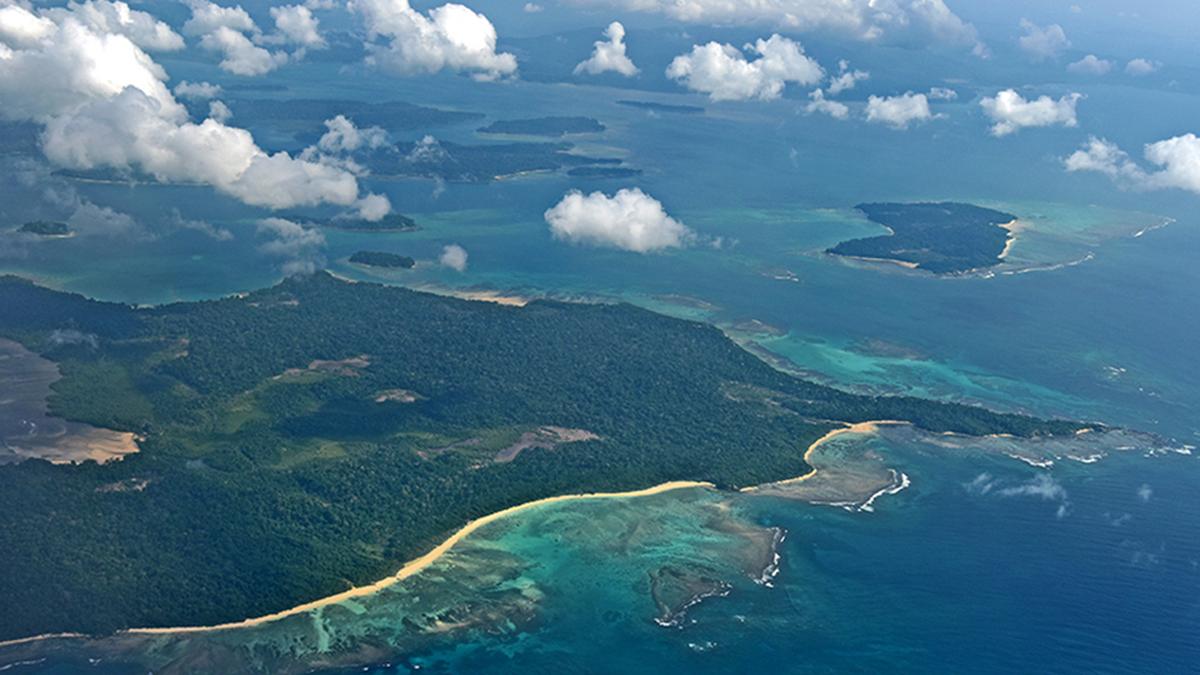
The Andaman & Nicobar (A&N) islands are home to multiple indigenous communities that have lived there for centuries. Some communities have particularly small populations and are isolated from the rest of the world, making them particularly vulnerable to diseases carried by outsiders. This has led to categorising them as “Particularly Vulnerable Tribal Groups (PVTGs)”.
Official documents of the Nicobar Project state that tribal lands will not be disturbed. The government even told the parliament that no tribes will be displaced. However, the ground reality paints a very different picture. This article delves into the lives of the adivasi communities and highlights how the Nicobar project adds to the existing challenges that threaten their survival.
Existing plight of the adivasis
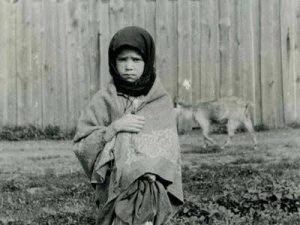
The indigenous peoples of A&N face cultural erasure, exploitation and sexual harassment among other issues. Currently there is a government programme where adivasis are provided rice and dal along with t-shirts and trousers for clothing. While this may seem like welfare, the reality is much grimmer. The adivasis cannot grow their own rice/dal and their traditional clothing carries cultural meaning to them. These welfare schemes have been implemented without any understanding of their lifestyle and culture. Anthropologists warn that by making them increasingly dependent on rice and by providing culturally irrelevant clothing, it actually contributes to erasing their culture, identity and dignity – it is a cultural imposition disguised as welfare.
Even roads can act as tools of exploitation. The Andaman Trunk Road cuts through the reserve of the Jarawa paving the way for “tribal tourism”. Tourists are told stories of “naked backward people that live in the forests” and for a few thousand rupees can go on a safari through the forest to “spot the tribals” stripping them of their dignity. There is an order to close down this road but it has not been implemented to date.
Poachers supply alcohol, tobacco and other substances to adivasis creating issues of drug addiction in the community. Multiple incidents of sexual abuse of adivasi women have also been reported. The Nicobar project only exacerbates existing issues. The case of the Shompen and Nicobarese illustrate this.
The Shompen: Refugees in their own land
The Shompen live in small groups of 4-5 families. These groups are scattered throughout the forest. Each group creates temporary settlements and collects products from the sea and forest for survival. When resources are depleted or if the season changes, they move to a different location.
Experts warn that clearing the forest for the Nicobar project will force the Shompen to relocate into the remaining forest spaces – i.e., a higher number of Shompen will be forced into a much smaller forest area. Despite the immense biodiversity, the plant and animal species that the Shompen can actually consume are few in number. Hence the increased density of Shompen will lead to faster depletion of resources. Moreover during the relocation, one Shompen group may move into the territory of another leading to conflict. This conflict over land and resources will create a scenario where the Shompen will eventually become refugees in their own land.
The Nicobarese: What is culture when there is no home?
After the 2004 tsunami, the Nicobarese were shifted from their original residence in the south-west to the northern area of the island. Although this was meant to be temporary, till date they have not been relocated back. The Nicobar project plans to build infrastructure on the original lands of the Nicobarese directly threatening their survival. The effects of separating them from their ancestral lands are already seen in the community. The lack of access to resources has disrupted their food habits, livelihoods and arts and crafts. Moreover, they were given small cramped houses made of tin sheets with improper toilet and water facilities increasing risk of disease in the community. In schools, Nicobarese children are discriminated against and are not taught properly.
Elections: A win for democracy, a woe for the adivasi
In recent times, multiple videos have been released showing Shompen and Jarawa individuals coming and casting votes for the first time. This has been portrayed as a win for democracy. Additionally some signatures from Shompen have also been collected on no objection letters for the port construction.
However researchers have stated that till date nobody has actually studied the language of the Shompen and Jarawa. Every conversation with them so far has been in Hindi or Nicobarese. For communities that have lived for centuries with minimal outside contact, this means that no real effort has been made to explain what development projects and elections actually mean and what consequences it can have on their lives. Additionally, no efforts have been made to rehabilitate the Nicobarese or to restore and protect the culture and dignity of those facing tribal tourism and sexual harassment. A few signatures and votes have simply been collected as a media stunt.
The Nicobar project tragedy
Two key learnings emerge from the case of Nicobar. First, it shows how government institutions have actively ignored scientific findings and enacted policy changes to remove environmental protections and make way for the Nicobar project. Second, it highlights state-sponsored cultural erasure, abuse and exploitation of adivasis and their lands.