
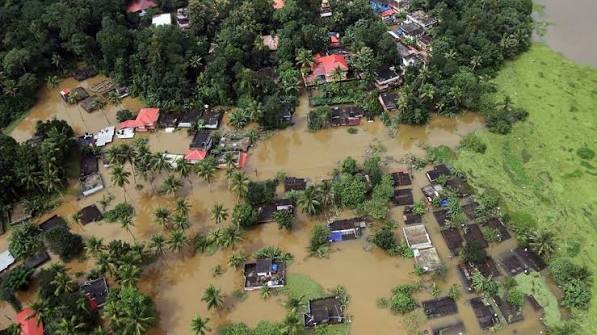
Year after year, the people of Kerala await the terror that the monsoons are going to bring to them. Monsoons in Kerala have been marked by recurring landslides and floods without fail. A question that troubles most of us is that the changing governments in Kerala have yet again failed in the mitigation of these disasters. During this monsoon, the landslides in Idukki, Pathanamthitta and Wayanad districts have taken more than 25 lives.
Kerala has many ecologically sensitive zones including the Western Ghats. The fragility of the Western Ghats has been established through multiple reports starting from the Madhav Gadgil report in 2011. Despite this, we are all witnessing the persistent loot of natural resources and destruction of this land resulting in disasters affecting hundreds of people every year.
The natural drainage systems that have been regulating the water systems for eons have been choked by unplanned constructions and new waves of ‘development’, which are actively taking away lives and livelihoods of the people of Kerala. In 2024, Wayanad saw the deadliest of landslides which took more than 400 lives. After the immediate crisis was over and the spotlight moved on from this disaster, the then Kerala government without a second thought resumed the contracts given to the private companies for the construction of a tunnel road carving through the mountains in Wayanad. With the state in the hands of the corporations thirsty for profits, the bureaucracy turned a blind eye and sped up the processes of environmental clearance without proper investigation into the obvious dangers of this construction. The state and its capitalist allies are single-handedly responsible for the death of six migrant construction workers who got trapped under debris at this construction site, during this monsoon.
Adani’s Vizhinjam port development is another example of corporate loot enabled by the state. The protests that were happening against this were suppressed and people who spoke against these projects were called the enemies of ‘development’ by the government.
The brunt of these developmental projects is always borne by the most vulnerable sections of the society. Their dissent is forcibly silenced by the state. By neglecting the lives lost, privatising meteorological departments, and by facilitating corporate loot, the Kerala government yet again exposes itself. Only when the development is for the people and by the people, will the situation change.