

It was predicted that India will experience below-average rainfalls this monsoon. The June rainfalls have already proved this, July too has followed the same trend. Inadequate rainfall has far-reaching consequences. particularly in the agricultural sector. Compounded with the waning of state subsidies in this sector, India might be faced with another spate of farmer suicides in a few months. The maximum and minimum temperatures are expected to be above average, creating a hot and water-stressed situation.
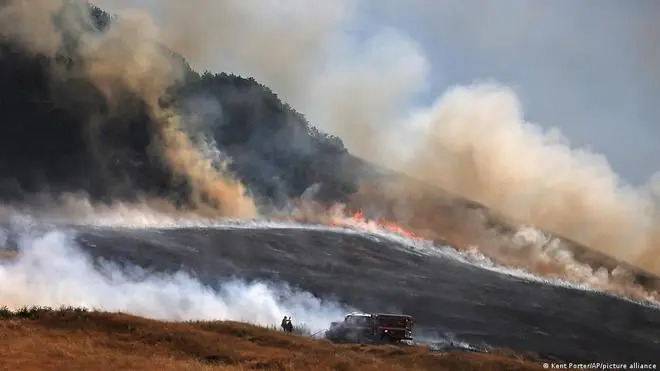
This however, is not a local phenomenon, almost the whole of the globe is experiencing unnatural heatwaves this year. Western Europe experienced the hottest June on record this year. There were reports of wildfires due to dryness and drought situations in different parts of Europe. Rising temperatures are contributing to the formation of a ‘super El Niño’ that is expected to gain maximum strength before the end of this year and drive extreme weather events till almost the spring of next year.
El Niño is a natural climate phenomenon characterised by warming of the sea surface temperatures in the central and eastern tropical Pacific Ocean. This causes dramatic shifts in weather patterns globally, causing violent storms in some parts and droughts in others. The current one is expected to be the strongest since 1950. It is expected to cause smaller harvests, increasing food scarcity at a global scale. This unnaturally strong climate phenomenon can be directly traced to untamed use of fossil fuels causing global heating. The countries of the global south least responsible for running the fossil-fuel industry, will be the most disproportionately affected by El Niño.
In Karnataka for example, the government has suddenly woken up to the havoc that the El Niño can cause, particularly in the agriculture sector. The state government has decided to prioritise rainwater harvesting, construction of check points, and restoration of traditional sources of water in rural areas under the Viksit Bharat-Guarantee for Rozgar and Ajeevika Mission (Gramin) (VB-G RAM G) that displaced the MGNREGA scheme. The government is also planning to use treated waste-water for industries, parks, and construction. Farmers are being asked to cultivate jowar, ragi, etc. that require less water and are heat-tolerant.
These measures aimed towards combating the danger posed by El Niño sound half-hearted when combined with the active land acquisition happening in different parts of Karnataka to promote unbridled urbanisation. Concretisation is one of the main reasons behind delayed recharging of groundwater, that leads to water-stress. The increasing concentration of data centres that guzzle water at a rate of around 2 litres per kilowatt-hour in Bengaluru will also add to the dangers posed by El Niño. In a nutshell, the apathy towards countering global heating that is being displayed by the imperialist nations at a global level is also being echoed by the Karnataka government. The effects of El Niño or similar climate disasters can only be mitigated through a thorough dismantling of the system that promotes profit over people.