

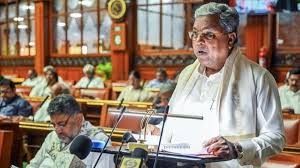
The Karnataka state budget for the financial year 2026-27 was presented by CM Siddaramaiah on March 6th, 2026 with a total outlay of around Rs. 4.49 lakh crore. Out of this, only around 10.5% has been allocated towards the education sector. Although this is a 0.5% increase compared to the previous year’s budget in terms of, it is far from the recommended requirement of 25%. The budget allocation for education in the past few years has seen a declining trend, faring below the average allocation by states. The cuts in allocation are alarming and points to the fact that education is not being prioritized as a primary government responsibility, but rather commodified by bringing private players in. The BJP, while in power in Karnataka, implemented the NEP 2020 in 2021 that was scrapped by the Congress in 2023. A State Education Policy drafting committee was formed by the Congress in 2023 to make a policy tailored to the needs of the state. Although this draft is yet to be made public, leave alone implemented, the state is bringing about policy level changes in the education sector that conform to the NEP 2020. This attitude was also reflected in the budgetary promises.
One of the major announcements in the budget is the Rs. 3,900 crore allocation for the establishment of 800 Karnataka Public Schools (KPS). The KPS model faced backlash from progressive organizations as it could lead to the closure of over 40,000 government schools, leaving students, especially from marginalized communities, difficult to access education due to long distances and other barriers. The involvement of Asian Development Bank (ADB) loans in this also raises questions about the affordability and accessibility of these schools in the long run.
The government has allocated Rs. 790 crore for the construction of new classrooms, toilets, repair works, and other infrastructure and maintenance requirements in government schools and pre-university colleges. Firstly, this allocation is largely insufficient, keeping in mind the crumbling infrastructure in government schools. Secondly, when comparing it to the allocation towards the KPS scheme, the priority of the state towards selective flagship institutions becomes evident. The public education system is underfunded and systematically weakened in order to pave the way for private players to take over the sector and sell it to those who can afford it.
The ‘Karnataka Higher Education Transformation Project’ is being implemented at a cost of Rs. 2,500 crore. Among other things, this project aims to establish nine Centers of Excellence with ADB assistance. These centers are said to promote entrepreneurship and start-up culture among students. Additionally, new courses with “high demand and employment potential” are being introduced in government colleges. While these initiatives are framed as progressive, they reorient education towards market priorities and risk reducing education to the passive acquisition of marketable skills, making it devoid of critical thinking.
Government educational institutions in Karnataka face a crisis of shortage of teachers, with over 45,000 posts vacant in government schools alone. Renowned state universities in Mysore, Dharwad, and Mangalore run on less than 30% of faculty requirement. Government First Grade Colleges heavily depend on underpaid guest lecturers without any job security, who are relieved and forced to reapply after every semester. In the backdrop of this, the plan to fill 15,000 vacant posts in both schools and colleges this year is highly inadequate. Additionally, instead of maximizing teacher recruitments and ensuring stable employment for teachers, the government plans to set up an AI-powered ‘Personalized Self-Learning Digital Tutor’ facility for students from Classes 8 to 12.
We can see a few positive developments in the budget as well. The government announced that it would enact the Rohith Vemula Act to prevent caste-based discrimination and atrocities on students across all government, private and deemed universities in the state. The reversal of the ban on student union elections in colleges and universities is a major win for progressive student organizations that have been fighting to restore democratic spaces on campuses. A committee has been formed for the implementation of the same. These promises are a result of a long period of struggle and advocacy by progressive groups and individuals across Karnataka. At a time when the public education sector is rapidly shrinking and decaying, the need to sustain and strengthen the struggle for universal, accessible and quality public education has never been more urgent.