

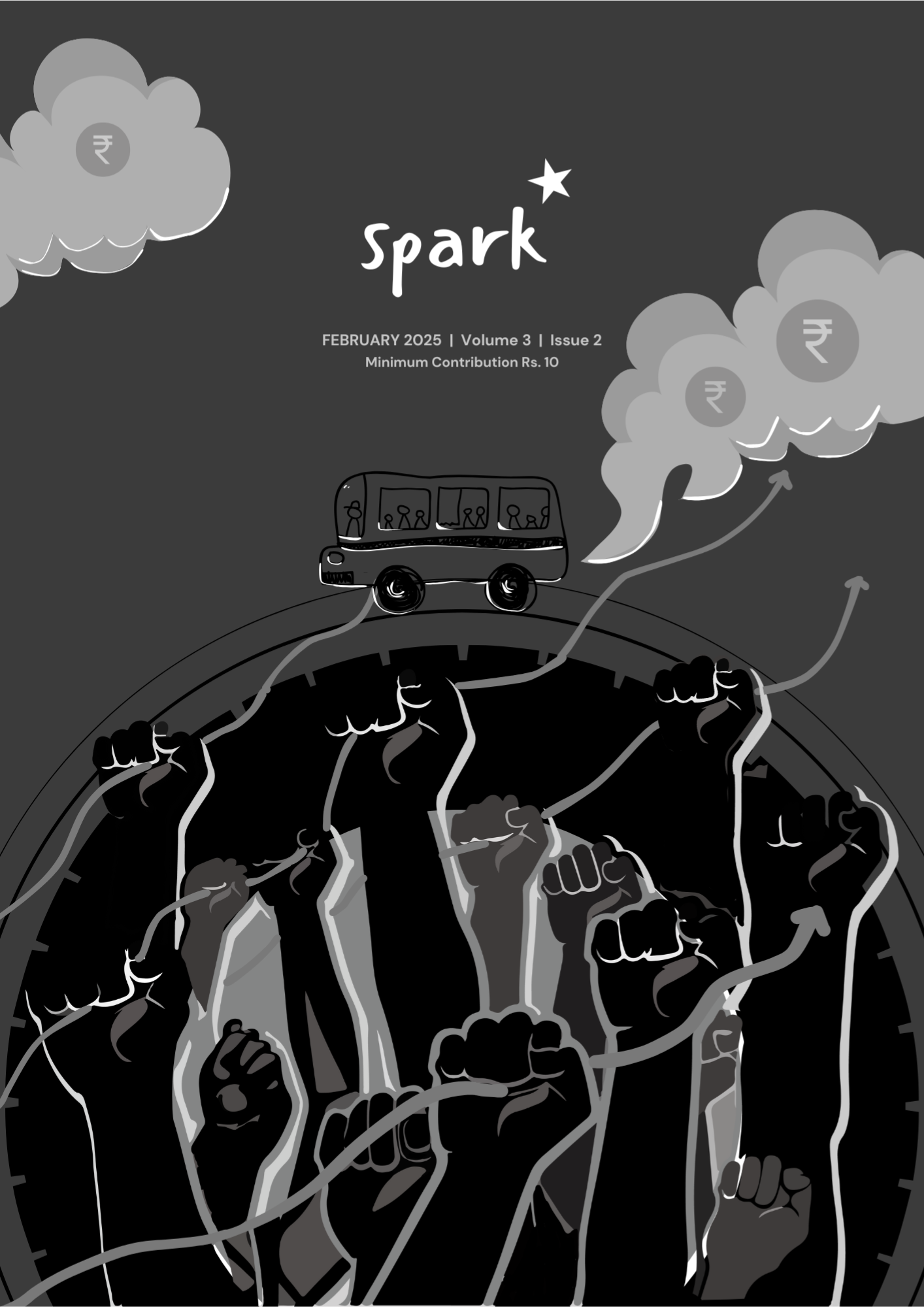
According to the 2024 TomTom Traffic Index, a report by the Dutch location tech firm TomTom, Bengaluru is the third slowest city in the world. Commuters in Bengaluru spend an average of 30 minutes and 10 seconds to travel 10 kilometers. Amidst this, the Karnataka government has implemented a 15% fare hike for BMTC/KSRTC buses and is set to raise metro fares by 40-45%. This move has angered citizens, as improving public transport and making it affordable is the key to tackling congestion, not increasing fares, deterring the use of public transport.
These traffic issues stem from unplanned infrastructure and insufficient public transport, making people rely on private vehicles, worsening congestion. Instead of making public transport affordable and accessible, the government is adding to the burden on the common people with these fare hikes.
Justification for the Hike
The Congress government justifies the bus fare hike by citing rising diesel costs, staff salaries, and maintenance expenses. They also point to the financial strain caused by the Shakti scheme, which provides free bus rides for women. Ironically, the very government that promised these welfare schemes now claims it cannot afford them, pushing the costs onto the public.
A key reason for this fare hike is to appease workers demanding higher wages and the release of arrears. The government owes ₹1,600 crore in dues towards the Shakti scheme and another ₹2,800 crore towards employees’ provident funds. Retired employees have also been deprived of retirement benefits amounting to ₹400 crore. With KSRTC employees threatening a strike, the government is scrambling to meet these demands but at the cost of ordinary citizens.
Impact on Commuters
The fare hike has already led to a decline in bus ridership. Between December 16 and January 20, the number of daily bus passengers dropped from 38 lakhs to 35 lakhs, a significant reduction in just one month. Despite this, the government seems determined to continue with its fare increases. The minimum fare for non-AC buses has gone up from ₹5 to ₹6, and the maximum fare has increased from ₹30 to ₹32. The cost of bus passes has risen too, making public transport out of reach.
Meanwhile, the number of private vehicles has skyrocketed. From 2017 to 2024, the number of two-wheelers increased from 55.42 lakh to 78.33 lakh, and the number of cars from 17.75 lakh to 25.13 lakh. Yet, during the same period, the number of BMTC buses decreased from 6,677 to 6,340. This imbalance further highlights the lack of investment in public transport infrastructure. It reflects the impact of neoliberal policies in the sector of public transport.
The Push Towards Privatization
BMTC is deemed to be on the path to privatization. The government has already begun contracting electric buses under the Gross Cost Contract system, where private companies own, maintain, and operate the buses, including appointing drivers. The state aims to transition the entire bus fleet to electric by 2030, with 90 electric buses already plying under the Smart City scheme and 300 more planned under the FAME-2 scheme.
As more buses are leased to private players, fare hikes will increase, further alienating those who rely on affordable public transportation.
Private vs. Public Burden
While the government passes the financial burden onto the public, private companies operating in the state, particularly those in the Special Economic Zones (SEZs), continue to enjoy waivers and tax benefits. Bengaluru is home to 30 SEZs, 18 of which are functional. These companies, which profit massively from cheap labour, face minimal taxation and enjoy relaxed labour laws. In contrast, the working-class people of Bengaluru are left to bear the brunt of rising costs in education, healthcare, housing, and now public transport.
Metro Fare Hike: A Burden on the People
Adding to the strain on commuters is the impending 40-45% metro fare hike. With foreign funding making up nearly 50% of metro construction costs, the state has taken massive loans and now seeks to recover them through fare hikes. The already costly metro, is set to become even more expensive.
A research by Gitam Tiwari of IIT Delhi, published in EPW, shows that capital-intensive metro systems in developing countries like India serve only a small proportion of total trips. In contrast, buses and suburban railways, cover the majority of trips. Despite this, the government continues to prioritize metro expansion.
Right to Affordable Transport
Functional and affordable public transport is a basic necessity. Instead of focusing on metro projects, the government should invest in expanding the bus fleet and lowering fares. Public services like transport should be made more accessible with tax-money, if not free.
The Congress government is lucky that people are only rejecting the fare hike. If the public fully realizes their rights and how they are being taken advantage of, there will be much greater consequences.


