
Kashmir is famous for its beauty: snow covered mountains, calm lakes, valleys full of flowers. But that is only the postcard version. Behind it are graves, prison cells, demolished homes and families still waiting for people who never came back. Decades of conflict have taken tens of thousands of lives, and even when the numbers are disputed, the loss behind them is not.
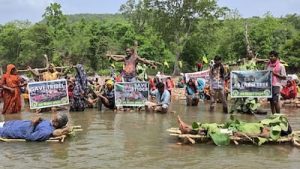
On the Pakistani side, the region is called Azad, which means free, Jammu and Kashmir. This year showed how far that name is from the truth. Since June, people have been protesting for electoral reform and equal representation. The state’s response has been to open fire. Dozens have been killed across Rawalakot, Poonch, Mirpur and Muzaffarabad. Internet and phone networks were shut down almost immediately, because a government that fears its own citizens’ phones is a government that fears the truth.
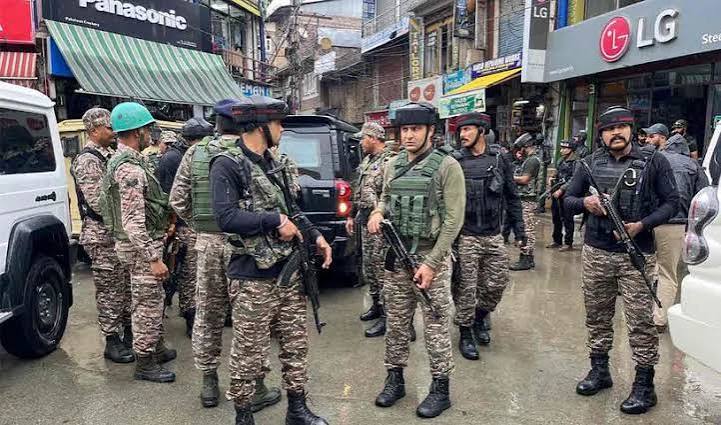
On the Indian side, the pattern looks different but the logic is the same: treat the population as suspects first and citizens second. This July made that clear. After a policeman was shot dead near Lal Chowk in Anantnag, police detained over a thousand people within a day, and the number crossed 3,500 within two days, most of them labelled ‘over ground workers,’ a term vague enough to cover almost anyone. Two homes were bulldozed before any court had even heard the case. This is not new. India’s own government has admitted that more than 7,300 people were taken into preventive custody in the months after Article 370 was abrogated in 2019. Since 2012, Kashmir has faced internet shutdowns more than 450 times, more than anywhere else in the world.
Even the people who try to document these events are punished for it. Khurram Parvez and Irfan Mehraj spent nearly five years in jail simply for recording human rights violations. The United Nations called Parvez’s detention arbitrary. They were released on bail this July, but they still cannot go home.
On both sides of the line, the story keeps repeating itself: security concerns take priority, and the voices of ordinary people get lost in between. The student, the shepherd, the shopkeeper, none of them chose this conflict, yet they are the ones who live with its consequences every single day.
Perhaps the real need is not to keep score of who is more at fault, but to find the will, on every side, to protect civilians first and build lasting peace instead of temporary calm. Kashmir’s people deserve a future where their safety and dignity are no longer conditional.